You can legally apply for a credit card at 18, but there are options for kids & teens under 18.
Teen credit card options include prepaid & secured cards, or teens as young as 13 can be added as authorized users on their parents’ cards.
Getting kids a credit card can teach them how to build credit responsibly if they understand the risks of borrowing.
How old do you have to be to get a credit card in Canada?
You can apply for a credit card on your own when you are the age of majority (either 18 or 19 years old, depending on your province or territory). That said, teens can become authorized users on select credit cards in Canada as young as 13.
You have to be 18 years old to get a credit card on your own in any of these provinces: Alberta, Manitoba, Ontario, Prince Edward Island, Quebec and Saskatchewan.
You have to be 19 years old to get a credit card on your own in any of these provinces: British Columbia, New Brunswick, Newfoundland and Labrador, Northwest Territories, Nova Scotia, Nunavut and Yukon.
Can you get a credit card under 18?
Although you can’t independently get a credit card under 18 years old, there are a few credit card options for teens under the age of 18:
Sign up as an authorized user on an existing account. Some credit cards will allow your child to sign up as an authorized user on your account.
Purchase a prepaid credit card. You can purchase a prepaid credit card from certain credit card providers or your local grocery store.
Apply for a secured credit card. Your child may be able to sign up for a secured credit card with some providers, though you’ll need to check the eligibility criteria.
Use a Visa Debit or Debit Mastercard. Your child can shop online and make tap-and-go payments with a debit card affiliated with a credit card.
Can a 17-year-old get a credit card in Canada?
Yes, a 17-year-old can get a credit card in Canada when they sign up as an authorized user on their parent’s credit card or prepaid card account. But a 17-year-old cannot get a credit card on their own until they turn the age of majority.
Some credit cards in Canada allow users as young as 13 to be added as an authorized user.
Credit cards that allow authorized users under 18
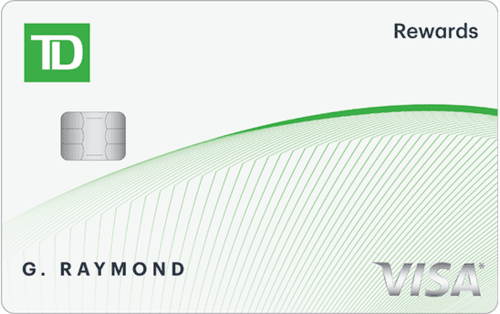
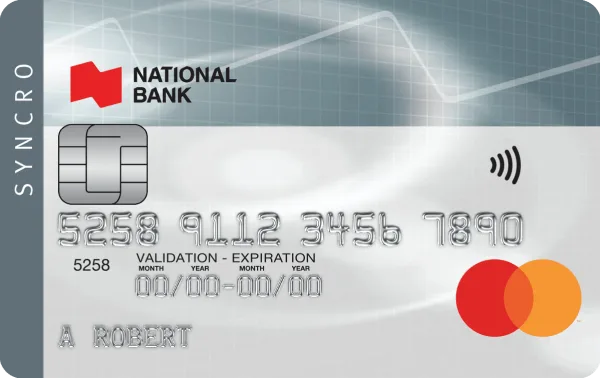
Depending on how old your teen is, it’s possible to get a credit card in Canada as an authorized user. When hunting around for the best credit card for teens, consider these cards that may let you add them as an authorized user.
What age can you get a credit card in Canada? Explore options
While you need to be the age of the majority to get a credit card in Canada on your own, there are different options for children and teens when they sign up with their parents. And the type of credit card best suited for your child may depend on their age.
Use these guidelines to help ease your child into managing the responsibility of spending money on credit, depending on the age at which your child gets a credit card in Canada.
This age range is a good time to introduce your tween to debit and prepaid cards. These cards are a relatively safe way to teach your child how to spend responsibly. They don’t accrue interest, and they draw from preloaded money through a bank account or other source. The downside to debit and prepaid cards is twofold:
Neither prepaid cards nor debit cards will help your child build credit.
Using prepaid cards, in particular, often incurs fees (like ATM withdrawal fees). These fees can add up and are counterintuitive to your goal of teaching teens about responsible spending.
During this time, teach your tween about the concept of a credit limit. Load the card with more money than your tween actually needs and make that amount the “credit limit.” Then instruct them to keep spending well below that limit.
The point is to teach your tween how to keep their credit utilization ratio low (how much credit they use compared to how much credit they have access to). For prepaid credit cards for teens, consider an option like Mydoh, which allows you to monitor spending.
If your teen proves they’re able to responsibly use a debit or prepaid card, consider letting them graduate to a credit card. After you add them as an authorized user, you can monitor their spending. At the same time, you can teach them how to manage credit before they get their own card. At this point, you’ll want to start stressing a few additional credit card spending habits:
Teach your teen how to make card payments on time. Set up automatic payments from your account so you never miss a payment on your teen’s card. Meanwhile, ask your teen to repay you monthly by a certain date. This helps them learn how to make card payments on time. If they miss a due date, neither their nor your credit score will drop—your automatic payments have you covered.
Encourage your teen to pay off their full balance each month. This is a great habit that will keep them out of debt later. While you’re at it, praise your teen for keeping their credit utilization ratio low.
Should my teenager get a credit card?
You might think your child is far too young to use a credit card. But you’ll find four big reasons why it could be a good idea.
1. It can teach your teen how to use a credit card responsibly for the future.
After adding your teen as an authorized user, you have control over their account and can see how they use their card. With insight into their spending, you can more effectively teach them solid financial habits. It’s better for them to learn from you now than figure everything out on their own later.
2. It can help your teen build credit early.
Most people start with a brand-new credit history when they’re ready to get a credit card. This usually means they’re limited to student cards and secured cards, both of which typically come with limited features.
You can help your teen build an impressive credit history before they reach adulthood. Just add them as an authorized user on your account and consistently make payments on time. When they turn 18, their credit may be strong enough to expand their card options considerably.
3. It’s convenient for parents and kids.
Sometimes you could forget to give your kid cash for meals at school, transportation or supplies. Getting your kid a credit card can help you avoid unpleasant situations and avoid cash theft.
4. Your family may be able to benefit from rewards or cash back.
Your teen’s credit card may offer cash back on their purchases or rewards points that can be redeemed for merchandise, statement credit, travel perks and more. If your child becomes an authorized user on your account, your combined spending could make rewards accumulate more quickly.
Be careful about giving your kid a credit card
Before adding your teen to your card as an authorized user, consider how responsible you are as a cardholder. Why? Because your teen’s fortunes will rise and fall with yours. If you pay on time, your teen’s credit will improve. If you consistently miss payments, you’ll damage your teen’s credit.
Bring your son or daughter along for the ride if you’re on top of your credit card payments. But if you have trouble keeping up, it’s probably better not to add authorized users at all.
Compare secured credit cards for teens
1 of 1 result
At what age can I apply for a credit card without being an authorized user on a parent’s card?
To apply for a credit card, you must be at least the minimum age of majority in the province or territory in which you live (either 18 or 19). However, you can be added as an authorized user to another credit card account prior to that.
Applying for a credit card if you’re under the age of majority
Becoming an authorized user is your sole option for getting a credit card for kids. This means you’re allowed to make purchases with someone else’s credit card account, typically with your own card in your own name.
In this case, the primary cardholder is held liable for your balance. And if they pay the balance on time, it can positively affect your credit score.
But don’t get wild with your spending. If the primary cardholder fails to pay their balance, it can stain your credit score for years to come.
Applying for a credit card if you’re 18 to 21
You can apply for a credit card if you’re 18 to 21 years old, but you must prove you can independently pay your card bill. Depending on the provider, you may be able to report income such as scholarships and grants on your credit card application. You can also report wages if you have a job.
Don’t have sufficient income? You may be able to add a cosigner, who agrees to repay your card provider if you can’t pay your bill. Preferably, this cosigner has a strong credit history, as your provider will use that information to evaluate your application.
Don’t have acosigner? If you’re in college, consider a student credit card. Providers are typically willing to offer this card type to applicants new to credit. A secured card is also an excellent option. Because you’re required to put down a security deposit before opening the card, a provider may feel more comfortable accepting you as a customer.
Applying for a credit card if you’re over 21
Typically, credit card providers ask for information showing you can consistently handle repayments. Two of the most important factors that help lenders determine if you’re approved are your credit score and annual income. You have better approval odds if you have a score of at least 650 and a debt-to-income ratio below 36%.
How to get a credit card for teens
You can help your child follow these steps to apply for a credit card:
Compare credit cards. Find out how old you have to be to get the credit card you want or see if you can sign your child up as an authorized user on your account.
Apply for the card of your choice. Apply for the credit card of your choice by visiting the provider’s main site you’re interested in.
Fill out the application details. Fill out your personal details, such as your full name, address, email and phone number, to start your application.
Authorize a credit check. Authorize the lender to perform a personal credit check to see if you can get approved for the credit card of your choice.
Click submit. Once you’re ready to apply, click submit on your application or call your credit card provider to apply over the phone.
If approved, you should receive your new card in the mail within one or two weeks. Follow the instructions included with the card to activate and begin using it. New credit cards can usually be activate online, over the phone or, for bank credit cards, by visiting a local bank branch.
Teach your teenager the risks of having a credit card
While you still have them under your wing, teach your teen how to avoid trouble with a credit card. Here are a few common pitfalls they should know about.
Just paying the minimum payment
A cardholder can make only the minimum monthly payment on their credit card. However, financial experts argue that this is one of the worst features of using a credit card. (The worst is to make your payments late.) Paying the minimum allows interest to snowball and debt to accumulate.
Here’s what to do: Show your teen why paying off their balance in full each month is smart. Teach them how credit card interest accumulates, and how it can be avoided.
Overspending
Teach your teen they should avoid spending close to their credit limit. Carrying a high balance puts one in danger of incurring over-limit fees and accumulating high debt. Many experts recommend keeping spending under 30% of one’s credit limit.
Here’s what to do: Encourage your teen to spend less than they receive from their allowance or job. Teach them how their credit utilization ratio affects their credit score. And explain why it’s smart to keep their ratio under 30%.
Paying late
This is a sure path to decreasing a credit score. Because your teen is an authorized user on your account, you can protect them by paying your card bill as usual. But if you see signs your teen may pay late, it’s best to nip the problem in the bud.
Here’s what to do: Set up automatic payments from your account to the card so that you never miss a payment on your teen’s card. Meanwhile, ask your teen to repay you by a certain date each month. Encourage them to set up phone or calendar reminders, so they don’t forget.
Credit card fraud
Teach your kids how to keep their credit card information safe. Although credit card fraud can happen even if you take all necessary precautions, it’s a good starting point for your kid to learn how to protect their credit cards.
Here’s what to do: Explain to your kids that credit card information can be copied and used illegally. Also, teach them to recognize which sites are safe and which aren’t for online use.
Learn more about credit cards for teen authorized users
Most Canadians open their first financial account before 18
Managing money isn’t just for adults. In fact, according to the Finder: Consumer Sentiment Survey January 2025, more than two-thirds of Canadians (69.63%) opened their first bank account before turning 18 years old. More Canadians open their first account between the ages of 13 and 17 (27.97%) than any other age range, while 21.88% open their first account before turning 10.
Learning how to save responsibly and developing healthy money management habits are regarded as the top benefits for children having their own bank accounts, according to the Finder: Consumer Sentiment Survey March 2026.
The same survey revealed that credit cards remain popular throughout adulthood in Canada. Of those who used a loan product within 12 months of the survey, 30% opted for credit cards, over lines of credit (18%), cash advance apps (10%) and mortgages (9%). On the other hand, business loans (2%) and RRSP/investment loans (7%) were the least utilized types of loans.
Bottom line
There are a number of ways for a teenager to qualify for a credit card. Your best bet is to help your teen apply for a secured or prepaid credit card. You may also be able to sign them up as an authorized user on your account, but you should only do so if you have good credit card habits yourself. Always compare cards to find the best fit for you and your teen’s needs.
FAQs on getting a credit card for kids & teens in Canada
There's not really a minimum age in Canada to sign up as an authorized user. Some cards will specify age requirements, while others will let children or teens of any age sign up as long as their parents take responsibility for their spending.
A prepaid card lets you load money onto your card and spend it like you would a credit card. They can be purchased from grocery stores, financial institutions or online. An example of a prepaid card that let's you earn cashback rewards is the EQ Bank Card. Most prepaid cards won't contribute to your credit score.
On the other hand, a secured credit card requires you to put money down in advance as a deposit that will be returned to you once you close the card. The deposit on a secured card acts as collateral for the money you borrow. Some example secured cards in Canada include the Neo Secured Card and the Home Trust Secured Visa. Secured credit cards are designed to help build your credit score.
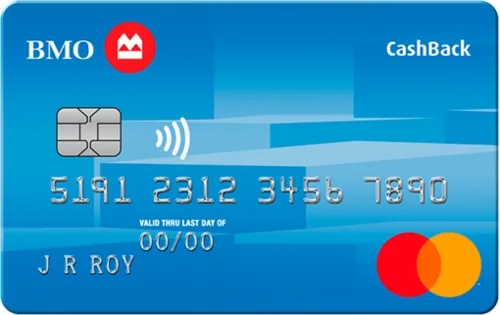
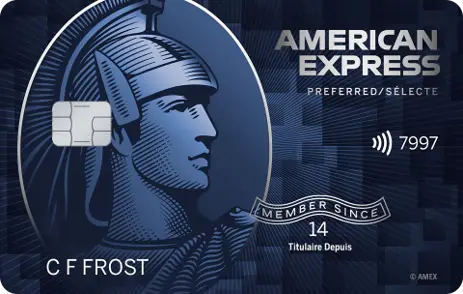
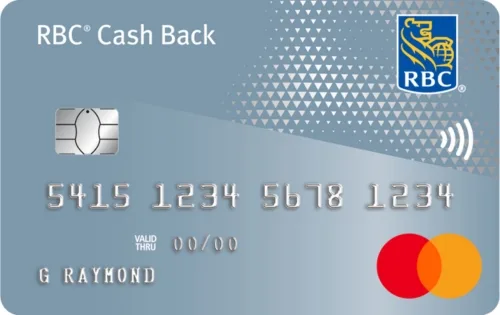
While a 14-year-old can't get approved for a credit card on their own in Canada, they can be added to a parent's credit card as an authorized user. Some examples of credit cards that allow authorized users as young as 14 years old are the BMO CashBack Mastercard, the American Express SimplyCash Preferred Card and the RBC Cash Back Mastercard. Compare more options above.
Yes, you can open a credit card for your teen under 18 by adding them as an authorized user on one of your own credit cards. Once a teen turns 18 years old, they can either remain as an authorized user on your card or open a credit card on their own.
You have to be 18 years old to get your own credit card in Ontario.
You have to be 19 years old to get your own credit card in BC.
Some parents add their children as authorized users on an existing credit card. However, to make sure they build a credit history, check the bank's or credit union's reporting practices.
Other ways to build up a child's credit history include financing a cell phone in their name and getting a student loan, installment loan or line of credit when they turn the age of majority in their province/territory. Of course, they'll need to make payments on time and in full and regularly down (or pay off) their debt to earn a strong score.
Sources
Why you can trust Finder's credit card experts
We're free
Our comparison tables are completely free to use. We link you directly to the lender's secure application page. Sometimes, we have exclusive offers that you won't find on any other site.
We're experts
We've researched 150+ cards and published hundreds of financial guides. Our work has been referenced in major media outlets like The Globe and Mail, BNN Bloomberg and the Financial Post.
We're independent
We're not owned by a bank or lender. That means our opinions are our own, and you can compare a wide selection of Canadian credit cards on Finder.
We're here to help
We've helped thousands of people compare offers and find a credit card. We'll never ask for your personal information. We're here to help you make a decision.
Was this content helpful to you?
Thank you for your feedback!
To make sure you get accurate and helpful information, this guide has been edited by
Romana King
as part of our
fact-checking process.
Claire Horwood was a writer at Finder, specializing in credit cards, loans and other financial products. She has a Bachelor of Arts in Gender Studies from the University of Victoria, and an Associate’s Degree in Science from Camosun College. Much of Claire’s coursework has focused on writing and statistics, with a healthy dose of social and cultural analysis mixed in for good measure. In her spare time, Claire enjoys rock climbing, travelling and drinking inordinate amounts of coffee.
See full bio
Claire's expertise
Claire
has written
334
Finder guides across topics including:
Going abroad and wondering whether you can use your credit card while travelling? Here’s the lowdown on credit cards vs. cash, fees, and which cards to get.
Compare guaranteed approval credit cards for bad credit in Canada and learn how to qualify for a card.
Advertiser disclosure
Finder.com is an independent comparison platform and information service that aims to provide you with the tools you need to make better decisions. While we are independent, the offers that appear on this site are from companies from which Finder receives compensation. We may receive compensation from our partners for placement of their products or services. We may also receive compensation if you click on certain links posted on our site. While compensation arrangements may affect the order, position or placement of product information, it doesn't influence our assessment of those products. Please don't interpret the order in which products appear on our Site as any endorsement or recommendation from us. Finder compares a wide range of products, providers and services but we don't provide information on all available products, providers or services. Please appreciate that there may be other options available to you than the products, providers or services covered by our service.
We update our data regularly, but information can change between updates. Confirm details with the provider you're interested in before making a decision.
How likely would you be to recommend Finder to a friend or colleague?
0
1
2
3
4
5
6
7
8
9
10
Very UnlikelyExtremely Likely
Required
Thank you for your feedback.
Our goal is to create the best possible product, and your thoughts, ideas and suggestions play a major role in helping us identify opportunities to improve.